
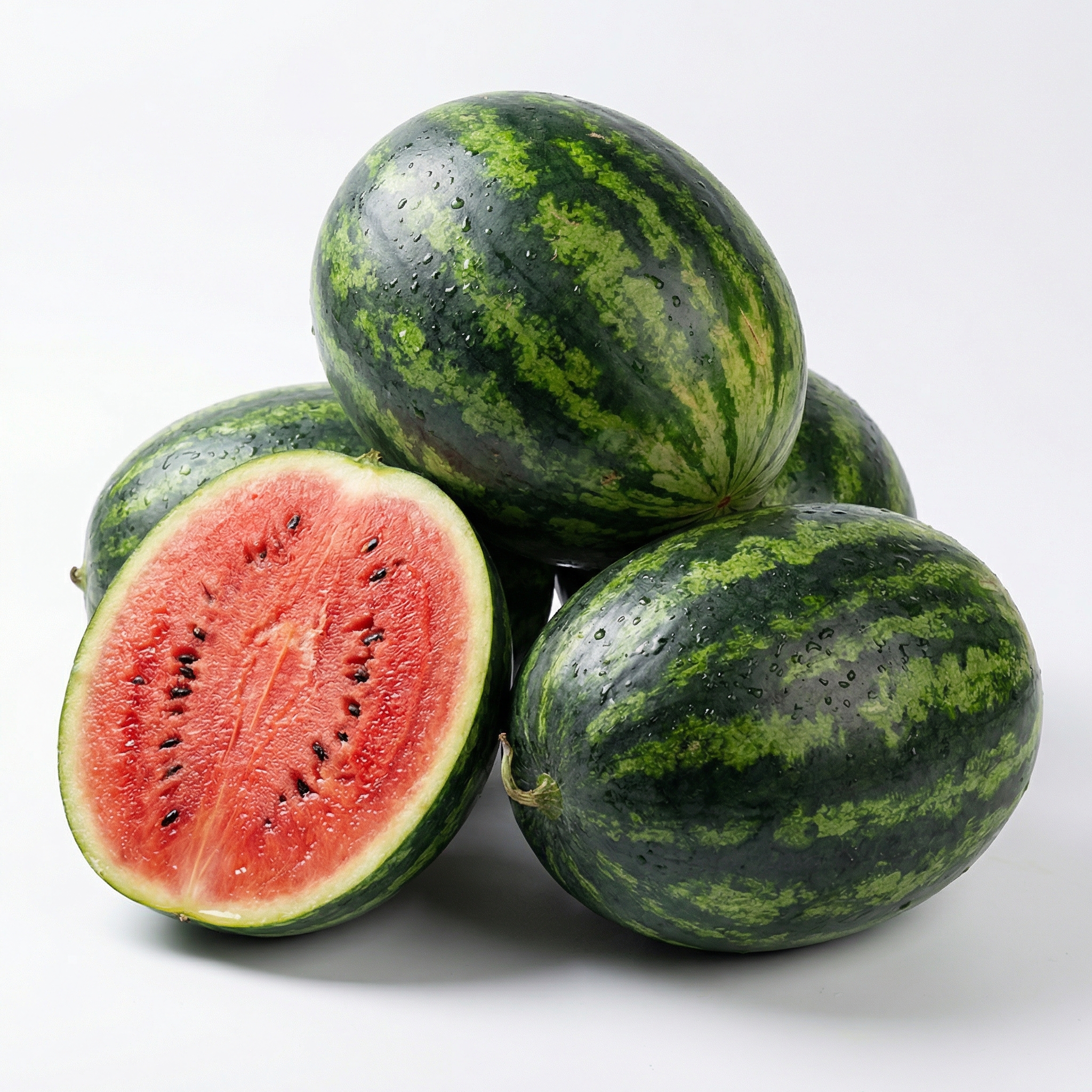
Choosing a ripe, sweet watermelon can feel like a guessing game — but it doesn’t have to be. Whether you’re shopping at the supermarket or picking one up from your local fruit stall, these seven tried-and-tested tips will help you bring home the juiciest watermelon every single time.
1. Look for the Field Spot
The field spot is the creamy yellow patch on the watermelon where it rested on the ground while growing. A deep, buttery yellow spot indicates the melon had plenty of time to ripen in the sun. If the spot is white or barely visible, the watermelon was likely picked too early and may lack sweetness.
2. Check the Weight
A ripe watermelon should feel heavy for its size. This heaviness means the fruit is full of water — and water content is directly linked to juiciness. Pick up a few watermelons of similar size and go with the one that feels noticeably heavier.
3. Tap and Listen
Give the watermelon a firm tap with your knuckles. A ripe watermelon produces a deep, hollow sound — almost like tapping a drum. If the sound is flat or dull, the flesh inside may be overripe or mealy. A high-pitched sound often means it’s underripe.
4. Inspect the Shape
Choose a watermelon that is symmetrical and uniform in shape, whether it’s round or oval. Irregular bumps or lumpy shapes can indicate uneven watering during growth, which often leads to inconsistent sweetness and texture.
5. Check the Skin
A ripe watermelon should have a dull, matte finish rather than a shiny, glossy surface. The shiny appearance usually means the fruit hasn’t fully ripened yet. Also look for a firm rind that resists pressure when you press it — this is a sign of good internal structure.
6. Look at the Stem
If the stem is still attached, check whether it’s dry and brown or green and fresh. A dried-out stem means the watermelon detached naturally from the vine — a good sign that it ripened fully. A green stem suggests it was harvested prematurely.
7. Consider the Sugar Spots and Webbing
Those brown, rough web-like lines on the surface of a watermelon are actually a great indicator of sweetness. Known as “sugar spots” or “bee stings,” they form when bees frequently pollinate the flower. More webbing generally means a sweeter watermelon.
How to Store Your Watermelon
Once you’ve picked the perfect watermelon, store it at room temperature if you plan to eat it within a few days. Cut watermelon should be wrapped tightly in plastic wrap or stored in an airtight container in the refrigerator, where it will stay fresh for up to 5 days.
Looking for fresh, premium watermelons delivered to your door? Browse our selection at Ah Ho Fruits — we hand-pick every melon so you don’t have to!